How can schools increase children’s wellbeing? The answer is child’s play
Date May 19, 2026
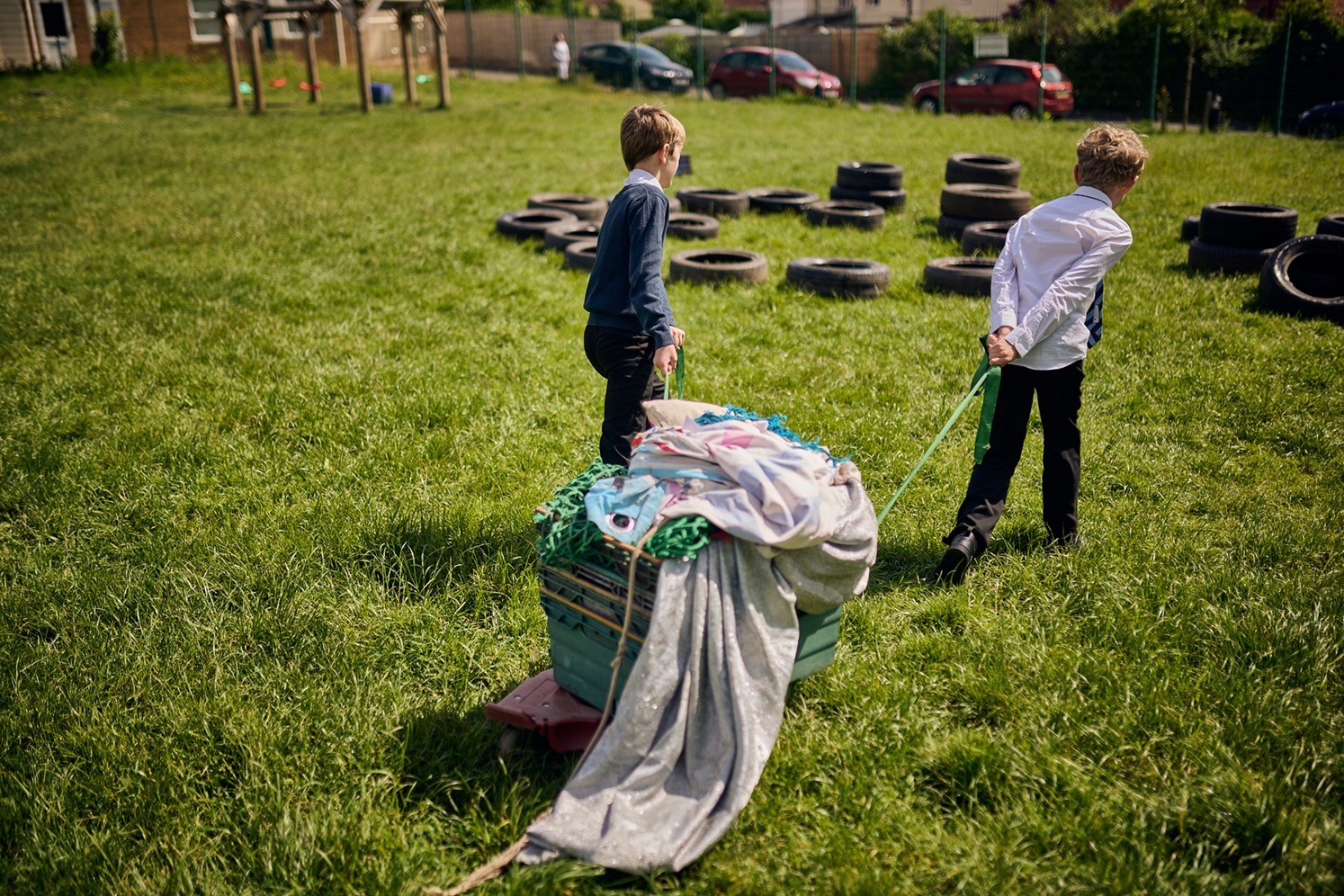
“The children are so much happier! Our playground is filled with laughter!”
Angela Brown, Deputy Headteacher, Thomlinson Junior School, West Cumbria
Play is the job of childhood. It is so central to the way that children learn, develop and grow, that, when children are deprived of play, the consequences are catastrophic.
We often talk about the physical health benefits of play, and rightly so; playing outdoors can increase physical activity, which comes with its own wide-range of positive impacts.
But did you know that play in and of itself has a whole host of wellbeing benefits? The Case for Play in Schools reports that play can reduce stress, increase social connectedness, and give children a sense of belonging. It shows how playing helps to develop friendships, emotion regulation, and healthy responses to stress.
Despite its many health and wellbeing benefits, the amount of time allocated to playtime in school is decreasing. And children’s mental health is declining too; The Guardian reports that one in five children and young people experience a common mental health problem such as anxiety or depression.
It’s more important now than ever for schools to prioritise play.
What happens when schools prioritise playtime?
OPAL has worked with more than 2,000 schools to improve their playtimes and the wellbeing benefits of investing in play are highlighted time and again.
Caroline Hodgson is Headteacher at Esh Winning Primary School in Durham. Esh Winning is one of only a handful of ‘OPAL Honours’ schools, demonstrating their ongoing commitment to providing amazing playtimes. When it comes to wellbeing, Caroline says:
“Every child now enjoys active playtimes, and all children have many opportunities to build friendships with different age groups. Providing a rich play environment allows the children to develop skills and evaluate their own risks. Our playground is a hive of activity which aids the wellbeing of our children.”
A recent film explores the impact of improving playtimes at two schools in Cumbria. Kiesha Mossum is the OPAL Curricular Lead at Seaton Academy in Cumbria and, in the film, talks about the importance of playtime for children’s mental health:
“On the surface, it sounds like it’s just playtime provision, but the bigger picture is it embeds so many skills. Moving through reception, year one and two, it’s an outlet for children’s mental health. It’s building their wellbeing, it’s constantly supporting friendships.”
Ingrid Wilkinson, Director of OPAL North East agrees that, “play is where the magic happens”. Reflecting on 10 years of OPAL in the North East for the organisation’s recent anniversary, Ingrid praised the hundreds of schools that have prioritised play and brought more joy to thousands of children’s lives, saying they are, “creating enriched playgrounds, upskilling staff, and, most importantly, supporting happier, healthier, and more active children.”
With so many benefits for children, it’s surprising how few schools have a plan for play.