How planning for play leads to inclusive playtimes
Date April 20, 2026
Despite making up 20% of the school day, many schools don’t plan for playtimes.
Without a plan, playtimes can be difficult to manage, a source of stress for school leaders, and only cater for a small portion of children. A lack of strategic thinking about playtime is a missed opportunity to provide children with time and space to learn new skills, let off steam, and build friendships. These things are important for all children, but can be particularly impactful for those with SEND.
It’s time to reimagine playtimes so they benefit everyone.
Benefits of play for children with SEND
The benefits of play are well-documented. Play increases physical activity and improves mental health. It supports children to manage risk and develop social skills. Importantly, play is fun and integral to a happy and healthy childhood. For children with SEND, play can:
Increase attention on return to the classroom, especially for children with ADHD.
Help develop communication, self-regulation, coordination and social skills.
Help children to self-regulate, manage emotions and develop resilience.
What does an amazing playtime look like?
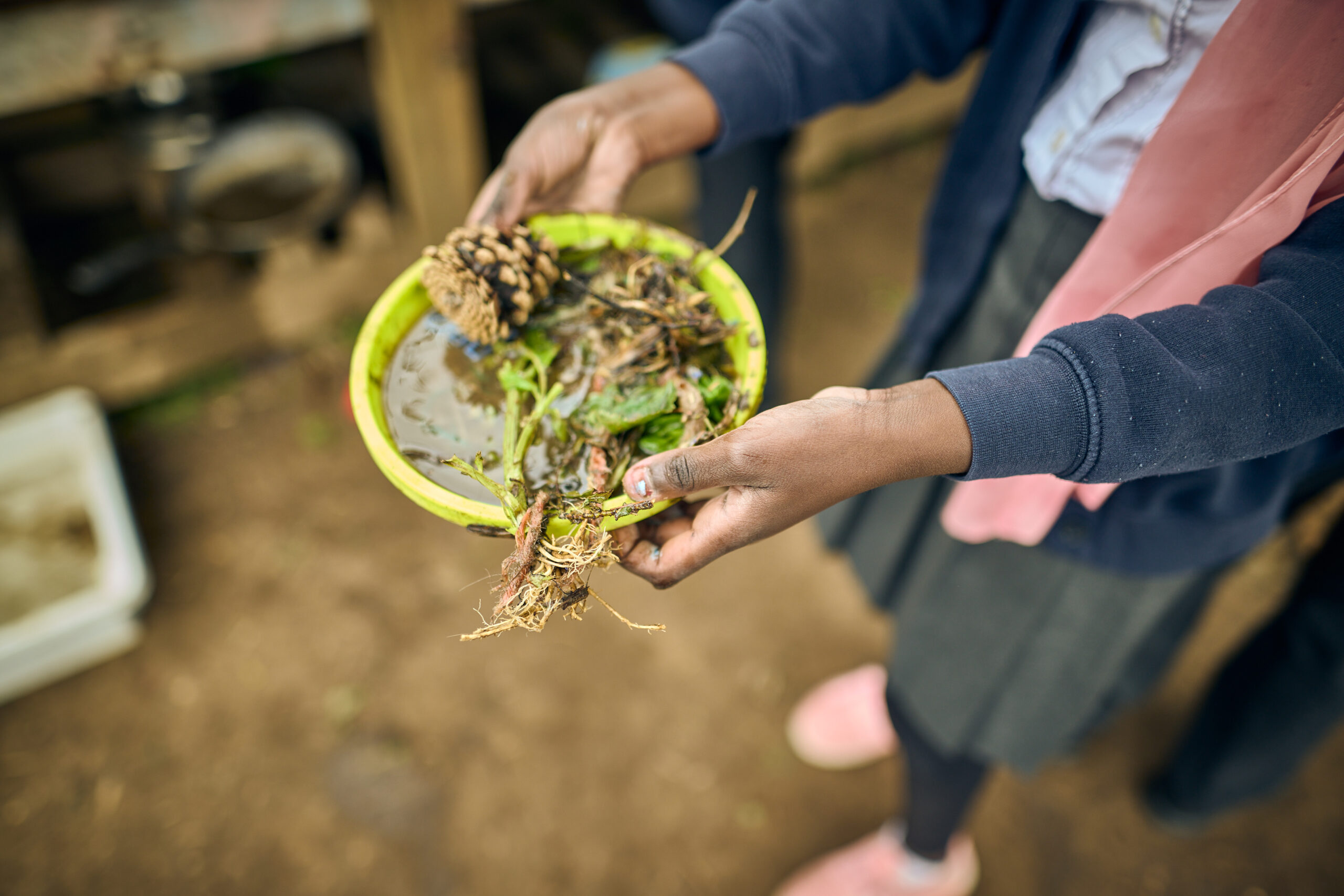
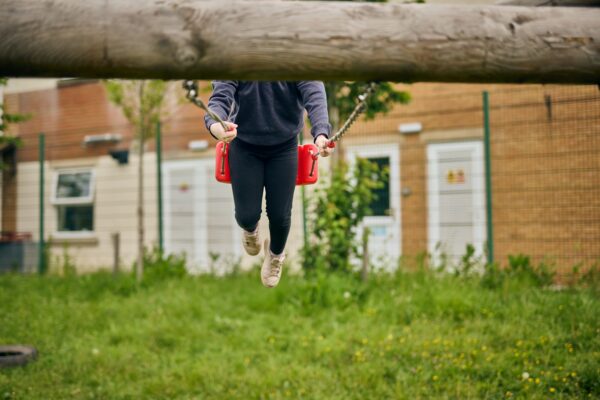
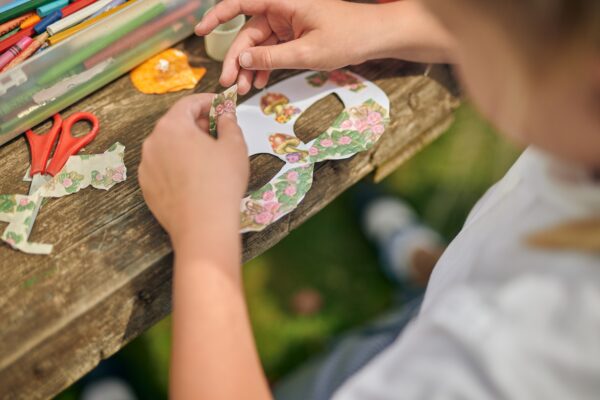
Amazing playtimes provide for every type of play. A wide selection of loose parts support creative and imaginative play (think cardboard boxes, wooden pallets and playground chalk). Mud kitchens, everyday household items and dressing up materials provide endless role play opportunities. Natural design features like trees, logs and sand encourage active play like climbing, jumping, digging and building. And quiet spaces provide a chance for children to get away from the noise and sit with friends, their own thoughts, or a book.
See what an amazing playtime looks like at OPAL schools in Cumbria
How amazing playtimes support children with SEND
The more diverse the materials and features on offer, the more inclusive playgrounds are. The OPAL approach considers all play types in its transformation of playtimes and supports schools to provide for them in a structured and sustainable way. Embedding amazing playtimes takes a whole school approach and a complete change of mindset about this part of the school day. When this happens, playtimes become a source of joy for every child.
What headteachers say about OPAL and SEND
“It is fully inclusive; it has supported all needs, in particular physical and SEMH. Children develop their language and communication with staff and peers. They build resilience and wider and more varied relationships.” Claire Brookes, Headteacher, Heron Primary School
“It has helped our children improve their executive function and self-regulation. Most of our children on our SEND register have OPAL as a key provision in school, which supports and addresses their targets. OPAL is seen as an entitlement, not an enhancement.” Sarah Beveridge, Headteacher, Leyburn Primary School
“Those with SEND are fully included in our play offer – staff ensure that they can access all zones (sometimes with adaptations) and the SEND pupils are welcomed and encouraged by their peers to join in with their play.” Joanne Ormond, Headteacher, Maryport Church of England Primary School
Start your OPAL journey today
The OPAL Primary Programme is a mentor-supported school improvement programme addressing all 18 areas a school must plan for if they want to sustainably improve the quality of play. The programme blends elements of strategic school improvement practice, action planning, self-evaluation, playwork skills and knowledge, and 20 years of action-research.
If you’re ready to invest in playtimes and start experiencing the many benefits it brings, get started on the OPAL website. If you would like to see an OPAL playtime in action in the North East or Cumbria, join your local OPAL mentor at an upcoming showcase event.